Address
304 North Cardinal
St. Dorchester Center, MA 02124
Work Hours
Monday to Friday: 7AM - 7PM
Weekend: 10AM - 5PM
Address
304 North Cardinal
St. Dorchester Center, MA 02124
Work Hours
Monday to Friday: 7AM - 7PM
Weekend: 10AM - 5PM

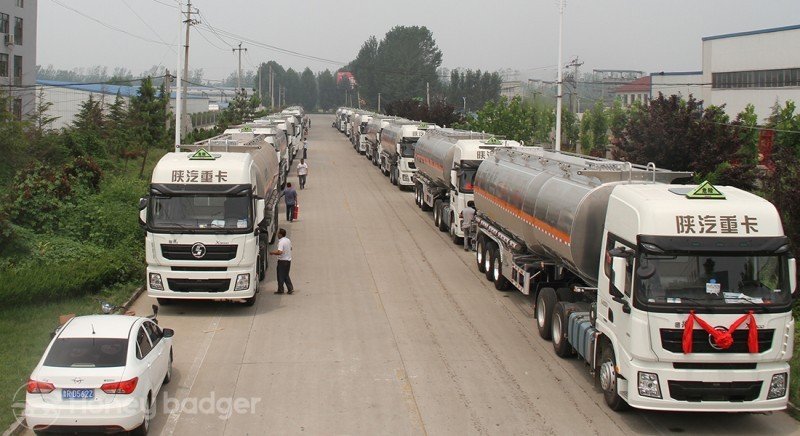
The choice of materials in the design and manufacture of fuel tankers directly affects their performance and lifespan. Depending on different transportation needs and environmental requirements, several common materials are used for the tanker body, each with its unique advantages and applications.
Aluminum Alloy
Aluminum alloy is widely used in fuel tanker bodies due to its lightweight and corrosion-resistant properties. The lighter weight of aluminum alloy tankers allows for an increased payload capacity, improving transportation efficiency. Additionally, aluminum alloy has excellent corrosion resistance, making it particularly suitable for transporting chemically active fuels such as aviation fuel.
Stainless Steel
The main advantages of stainless steel tanker bodies are their high corrosion resistance and strength, making them ideal for transporting highly corrosive liquids or operating in harsh environments. Stainless steel can withstand exposure to various chemicals, ensuring long-term durability without significant damage. Although stainless steel tanks are more expensive, they are an excellent choice for transport tasks that require long-term durability and safety.
High Strength Steel
High-strength steel is a traditional material for fuel tanker bodies, known for its high strength and relatively low cost. Tanks are commonly used for transporting general fuels like gasoline and diesel. However, high-strength steel is prone to corrosion, so it usually requires a protective coating or lining to extend its service life. For applications where budget constraints are a concern, and the transportation environment is stable, it is an economical choice.
Composite Materials
With advancements in material technology, composite materials are also being used in the manufacture of fuel tankers. These materials, often made from fiberglass-reinforced plastic (FRP), are lightweight, strong, and highly resistant to corrosion. Composite material tankers are well-suited for transporting temperature-sensitive liquid fuels due to their excellent insulation properties. Additionally, composite materials are non-conductive, effectively reducing the risk of static electricity.
By selecting the appropriate tanker body material, fuel tanker trucks can better meet various transportation needs while enhancing safety and efficiency. Each material has specific applications, and the key is to optimize the choice based on particular requirements.
This will close in 20 seconds
This will close in 20 seconds


