Address
304 North Cardinal
St. Dorchester Center, MA 02124
Work Hours
Monday to Friday: 7AM - 7PM
Weekend: 10AM - 5PM
Address
304 North Cardinal
St. Dorchester Center, MA 02124
Work Hours
Monday to Friday: 7AM - 7PM
Weekend: 10AM - 5PM

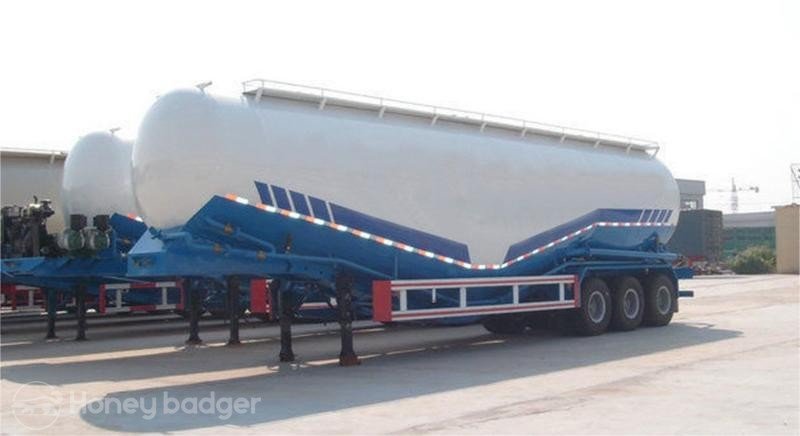
Cement Tanker Trailer Maintenance Guide
Cement tanker trailers, particularly those used for transporting powders and granular materials, play a crucial role in engineering and construction. To ensure their safe and efficient operation, here is a detailed maintenance guide.
I. Daily Maintenance
1. Appearance Check
Visual Inspection: Before and after each use, inspect the vehicle’s exterior, including the tank, frame, and suspension, for any deformation, cracks, or rust. Address any issues promptly by repairing or replacing damaged parts.
Tyre Inspection: Check the tyre pressure to ensure it can support the full load. Inspect tyres for wear, cuts, or debris, and ensure tread depth meets safety standards for optimal grip.
Light Check: Ensure all lights are functioning correctly, including headlights, fog lights, turn signals, and brake lights. Proper illumination is essential for safe driving.
2. Tank Inspection
Sealing Check: Inspect the tank’s seals, especially around valves and pipe connections, to prevent any powder leakage. Address any leaks immediately.
Surface Condition: Examine the tank’s surface for paint peeling or rust. Apply touch-up paint and anti-corrosion treatment as needed to extend the tank’s lifespan.
Internal Cleaning: Regularly clean the inside of the tank to prevent residual powder accumulation that can affect capacity and discharge efficiency. Use a high-pressure washer with caution to avoid damaging the tank’s protective coating.
II. Regular Maintenance
1. Brake System Maintenance
Component Inspection: Regularly check the wear on brake pads, discs, and drums. Replace worn parts as needed and ensure brake fluid levels and quality are maintained for optimal braking performance.
System Check: Inspect brake system lines and connections for leaks or looseness. Repair or replace any faulty components and adjust the system to ensure responsive braking.
2. Suspension System Maintenance
Inspection: Check the suspension system’s springs and shock absorbers for proper operation. Replace damaged or worn parts as necessary.
Connections: Ensure suspension system connections are secure and bolts are tightened. Regularly lubricate and adjust the suspension to maintain vehicle stability.
3. Transmission System Maintenance
Oil Check: Regularly inspect the oil level and quality of the transmission, differential, and drive shafts. Replace lubricants as needed to ensure smooth operation.
Component Condition: Check for any loose connections or wear in the transmission components, such as chains and belts, and make adjustments or replacements as required.
III. Special Maintenance
1. Handling Powder Materials
Post-Loading and Unloading: After loading and unloading, promptly clean the pipes, valves, and tank interiors to remove residual materials. Use compressed air or a high-pressure washer with care to prevent environmental contamination.
Moisture Control: For materials prone to moisture absorption, such as cement, keep the tank dry. In humid conditions or during long-term storage, ventilate and dry the tank to prevent material clumping and corrosion.
System Check: Regularly inspect and maintain the powder handling system, including air compressors, pipes, and valves, to ensure proper function and address any malfunctions.
2. Winter Maintenance
Anti-Freeze Measures: In winter, use lubricants and brake fluids suitable for low temperatures and ensure that the vehicle’s water tank and pipes do not freeze.
Prevent Freezing: To avoid freezing of materials inside the tank, use insulation methods such as wrapping the tank with insulating materials.
Pre-Warming: Warm up the vehicle before use in cold weather to ensure the engine and transmission system operate correctly. Check the brake system and tyres to ensure their performance in low temperatures.
IV. Maintenance Records and Training
1. Maintenance Records
Documentation: Maintain detailed records of all maintenance activities, including dates, procedures, and replaced parts. This helps identify potential issues and plan future maintenance.
Analysis: Regularly review maintenance records to identify patterns and areas for improvement, enhancing maintenance efficiency and quality.
2. Training and Education
Personnel Training: Provide regular training for drivers and maintenance staff to enhance their skills and safety awareness. Training should cover vehicle operation, maintenance, and troubleshooting.
Encouragement: Encourage staff to actively participate in vehicle maintenance, promptly identify and address issues. Establish effective communication channels to ensure timely problem resolution.
In conclusion, maintaining a cement tanker trailer is a comprehensive and crucial task. By following scientific maintenance practices and implementing strict management measures, the vehicle’s safety and efficiency can be ensured, providing reliable support for construction and material transportation.
This will close in 20 seconds
This will close in 20 seconds


