Address
304 North Cardinal
St. Dorchester Center, MA 02124
Work Hours
Monday to Friday: 7AM - 7PM
Weekend: 10AM - 5PM
Address
304 North Cardinal
St. Dorchester Center, MA 02124
Work Hours
Monday to Friday: 7AM - 7PM
Weekend: 10AM - 5PM

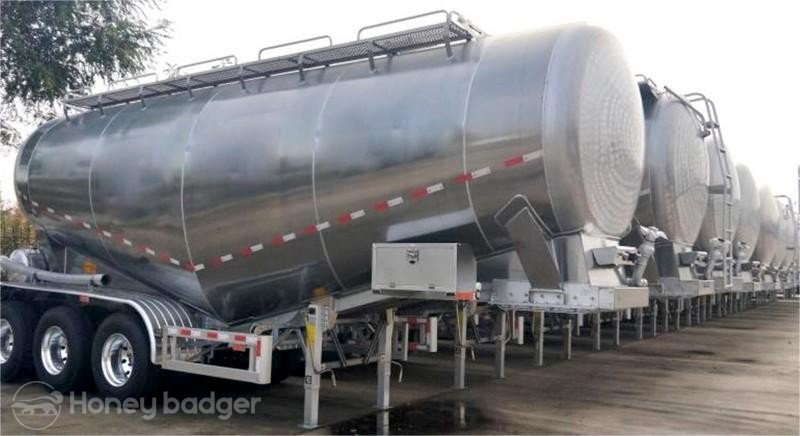
In the field of engineering construction and material transport, cement semi-trailer plays a vital role. However, due to the special nature of the loaded materials and the characteristics of the vehicle itself, the following matters need to be paid extra attention to in the loading and transport process.
I. Preparation before loading
1. Vehicle inspection
Carefully check whether the tank, valves, pipelines and other parts of the semi-trailer are intact, to ensure that there are no cracks, holes or loose places. Pay special attention to the sealing of the tank to prevent leakage of powder and granular materials.
Check whether the tyre air pressure is normal and whether the tyre wear is within the safe range. Ensure that the braking system, suspension system and other key parts of the vehicle are working properly to ensure driving safety.
Check the electrical system to ensure that the lights, signals and other equipment are working properly.
2. Understand the material characteristics
Before loading powder and granular materials, fully understand their characteristics, such as density, fluidity, water absorption and so on. Different types of granular materials may have different requirements and precautions.
For materials that are susceptible to moisture, such as cement, make sure the loading environment is dry and avoid loading on rainy days or wet places.
II. Precautions during loading
1. Standardised operation
Professional loading equipment should be used when loading to ensure that the materials flow into the tank evenly and slowly to avoid impact and blockage.
Strictly by the rated loading capacity of the vehicle for loading, not overloading. Overloading will not only affect the safety of the vehicle but also may lead to serious consequences such as tank rupture.
Pay attention to controlling the loading speed, and avoid too fast leading to material flying and static electricity accumulation. Materials that are easy to generate static electricity, should take appropriate anti-static measures.
2. Seal check
In the loading process, we should constantly check the sealing of the tank to ensure that the valves, pipes and other connection parts are well sealed. If there is any leakage, the loading should be stopped and dealt with immediately.
For powder and granular materials that need to be transported under pressure, make sure that the pressure control system is working properly to prevent accidents caused by overpressure.
C. Precautions during transport
1. Safe driving
The driver should have professional driving skills and rich experience, strictly abide by traffic rules, and maintain safe speed. Avoid dangerous operations such as sharp braking, sharp turning, etc., and prevent the material from swaying too much in the tank.
Pay attention to observing the driving status of the vehicle, such as tyre pressure, and braking performance. If abnormalities are found, stop the vehicle in time for inspection and treatment.
2. Prevent material leakage
In the process of transport, we should regularly check the sealing of the tank, especially after a bumpy road or a long time driving. If leakage is found, measures should be taken immediately to seal and drive the vehicle away from crowded areas.
For powder and granular materials that are susceptible to moisture, attention should be paid to avoid travelling in the rain or open storage to prevent the material from being affected by moisture and affecting the quality.
3. Static electricity protection
Powder materials in the transport process make it easy to generate static electricity, so we should take effective static protection measures. Can be installed on the tank electrostatic grounding device to ensure that static electricity can be released promptly.
Avoid driving or staying near flammable and explosive places to prevent static electricity from causing fire or explosion.
Fourth, the unloading process of attention
1. Choose a suitable unloading place
The unloading place should be chosen on a flat, solid ground, away from high-voltage lines, flammable and explosive substances and other dangerous areas. Ensure that there is enough space for vehicle operation and material stacking.
Before unloading, the unloading place should be inspected to ensure the safety of the surrounding environment.
2. Standardise the unloading operation
When unloading, the valve should be opened slowly, and the unloading speed should be controlled to avoid material impact and flying. For the need for pressure unloading vehicles, should be strictly in accordance with the operating procedures to prevent overpressure.
In the unloading process, always observe the flow of materials, such as found blocked or abnormal conditions, should immediately stop unloading and processing.
After unloading, we should clean up the residual materials in the tank and pipeline in a timely manner to ensure that the vehicle is neat and clean, ready for the next loading.
In short, loading and transporting semi-trailers of granular materials requires a high degree of responsibility and professional skills. Only by strictly observing the precautions can we ensure the safe transport of materials and the normal operation of the vehicle, and make contributions to the engineering construction and economic development.
This will close in 20 seconds
This will close in 20 seconds


